Shapes · 7,864 measured diagrams · 90 families
The archive, by what it looks like
Every diagram here is somebody's drawing of a formation, and belongs to the site that drew it. Each has been measured off the drawing: how many elements, how many rings, how symmetrical. The numbers are experimental and say so.
Read the numbers beside the picture
The extractor's rotational order is right on 88.8 % of a 197-diagram hand-labelled sample, against a gate of 90 %; its element count is right to within one on 97.5 % of a 161-diagram hand-labelled sample; its ring count agrees with a reader on 35.9 % — it is not a calibrated number. Every measure is marked ≈, and nothing downstream is derived from the rotational order while the gate is unmet.
A family is a cluster of drawings the hash cannot tell apart, joined within 4 bits. It says the drawings look alike; it says nothing about the fields. Counts are drawings, not formations — one formation often has several.
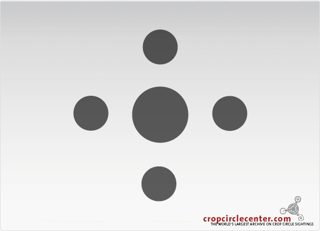 37 diagrams1978–1999 · widest pair 6 bits apart
45 formations
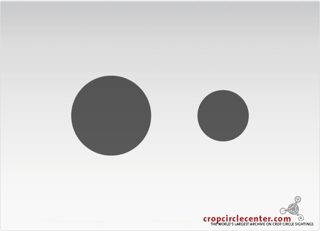 13 diagrams1935–2006 · widest pair 10 bits apart
14 formations
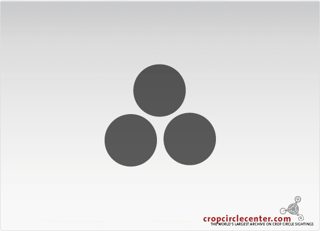 12 diagrams1975–2008 · widest pair 4 bits apart
15 formations
 12 diagrams1964–2020 · widest pair 0 bits apart
14 formations
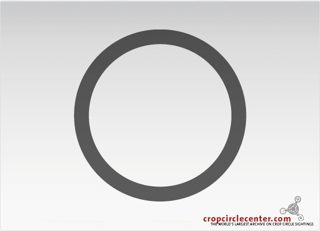 11 diagrams1973–2003 · widest pair 10 bits apart
13 formations
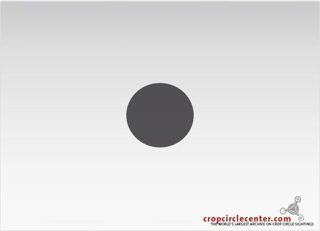 6 diagrams2011 · widest pair 0 bits apart
6 formations
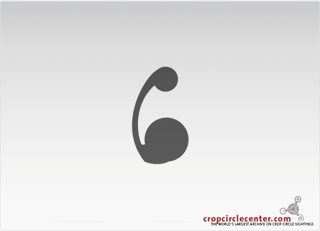 6 diagrams1991–1993 · widest pair 6 bits apart
6 formations
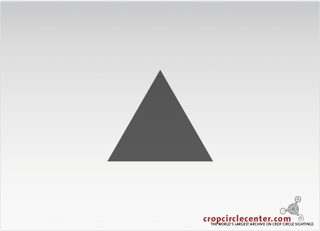 5 diagrams1982–1993 · widest pair 4 bits apart
5 formations
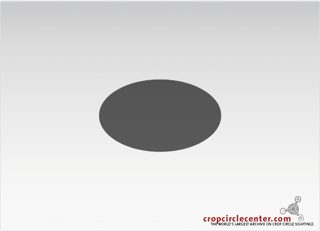 4 diagrams1975–2004 · widest pair 8 bits apart
4 formations
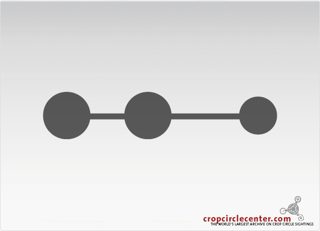 4 diagrams1937–2001 · widest pair 8 bits apart
4 formations
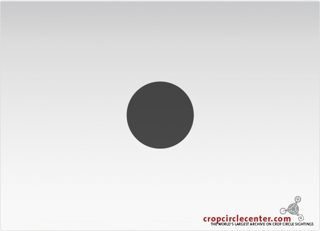 4 diagrams2010–2025 · widest pair 0 bits apart
4 formations
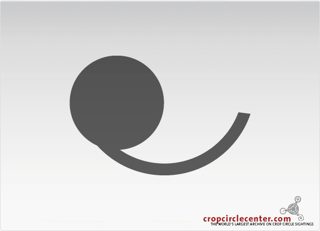 4 diagrams1989–1993 · widest pair 4 bits apart
4 formations
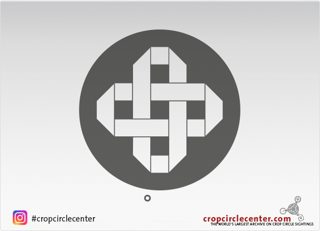
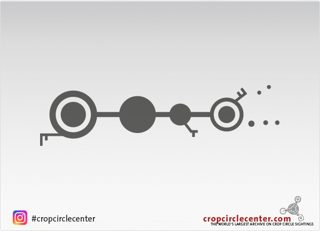
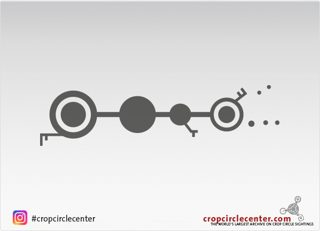
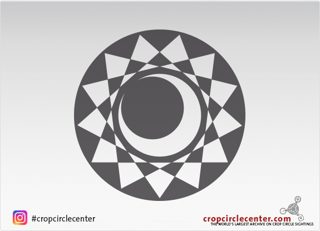

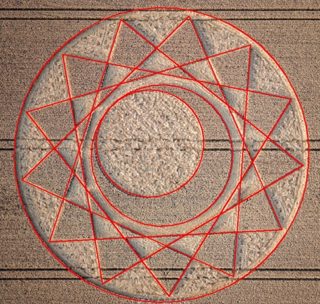
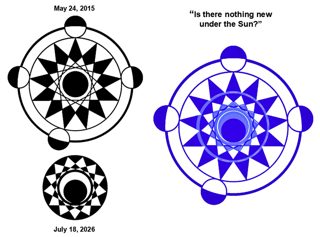
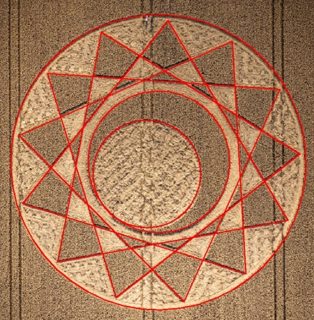
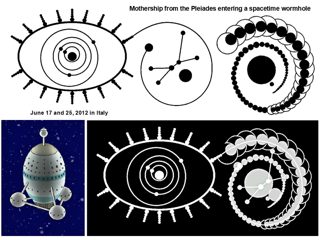
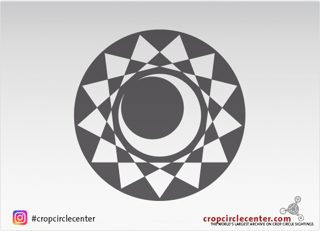
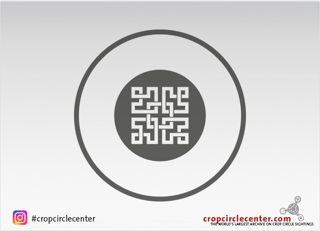
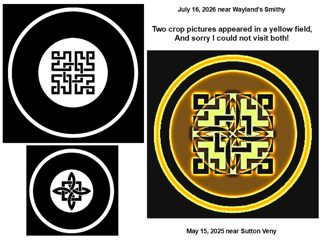
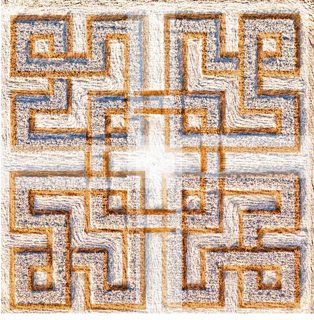
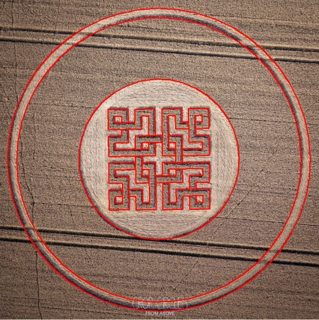
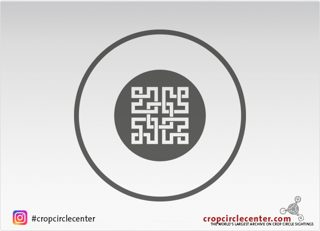
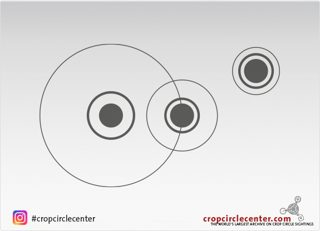
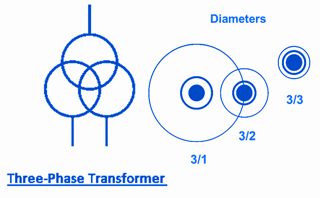
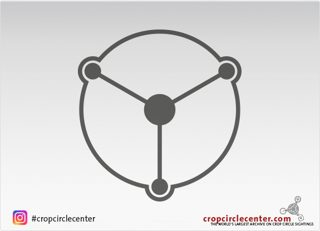
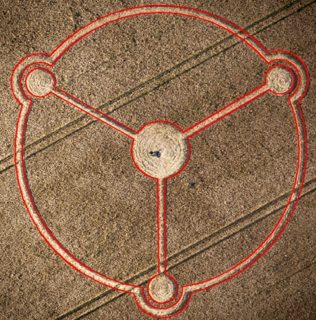
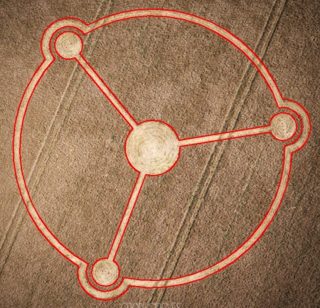
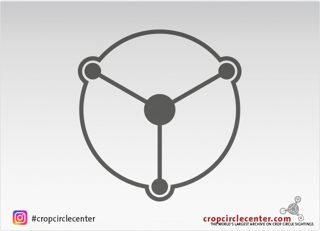
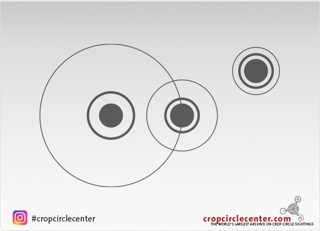
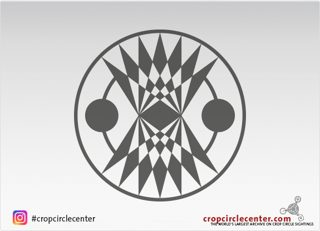
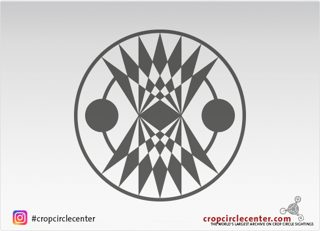
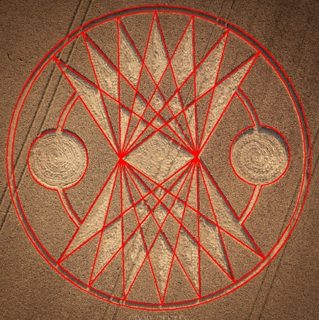
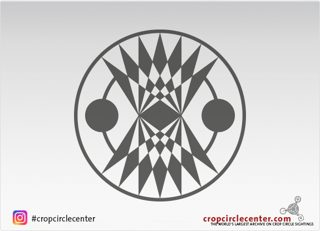
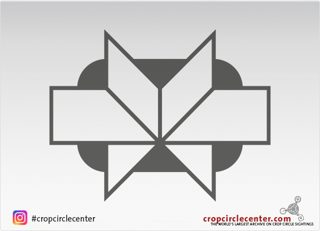
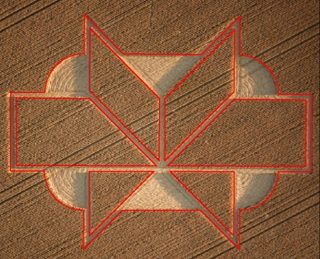
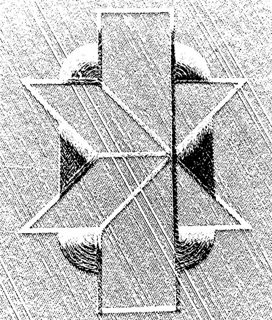
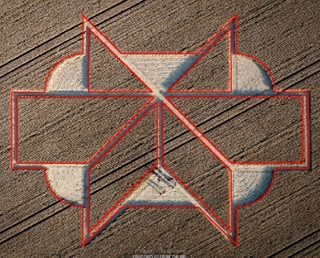
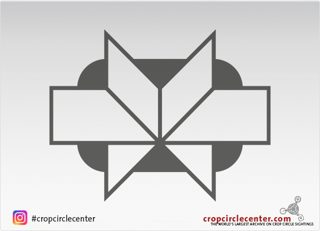
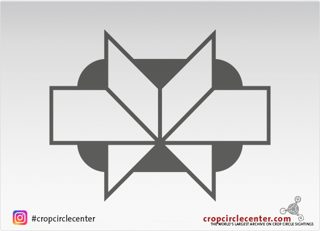
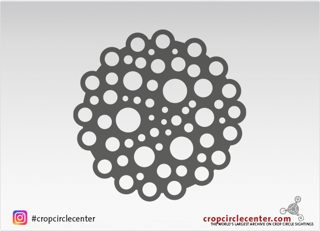
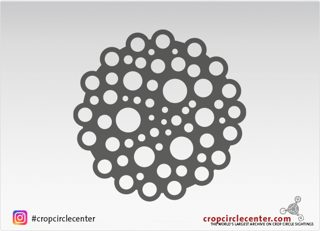
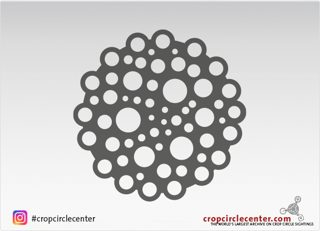
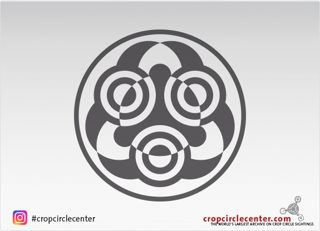
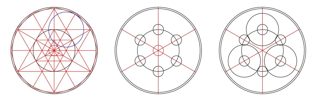
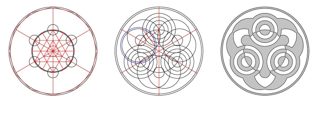
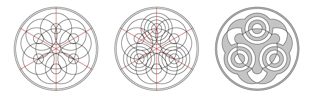
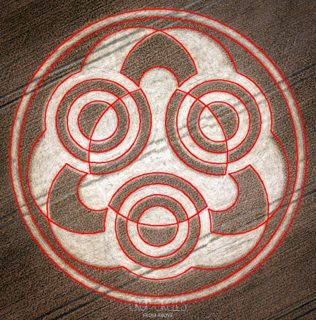
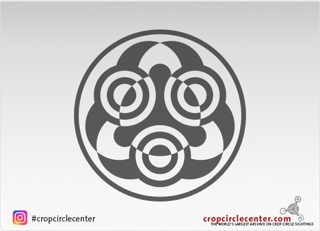
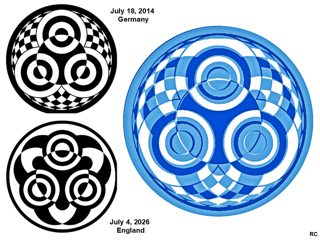
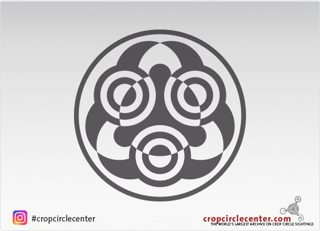
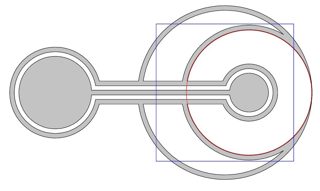
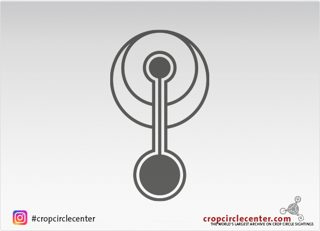
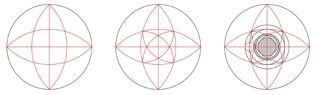
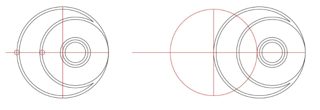
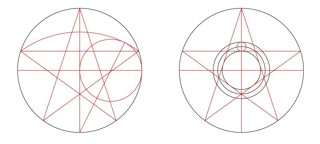
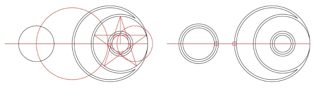
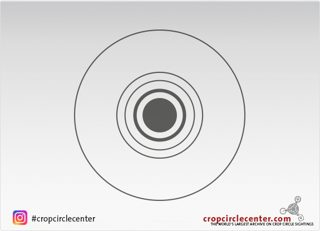
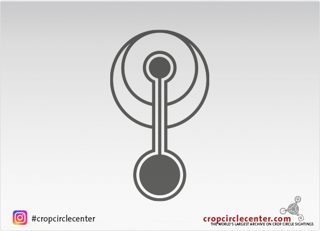
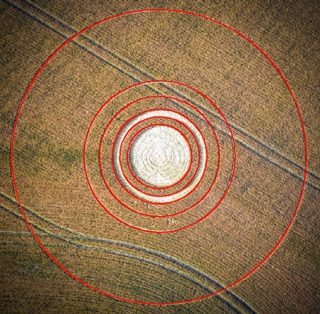
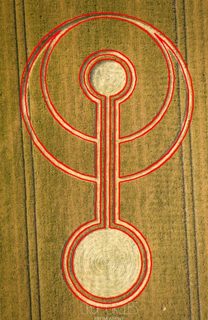
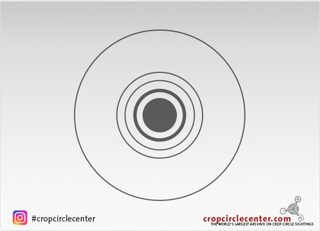
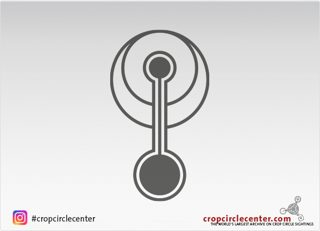
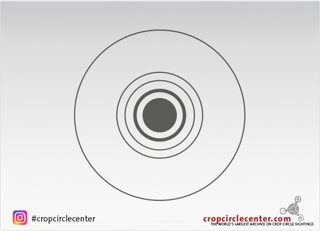
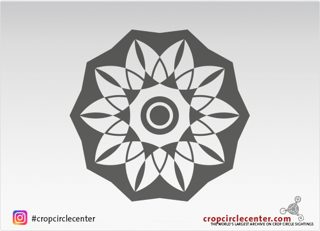

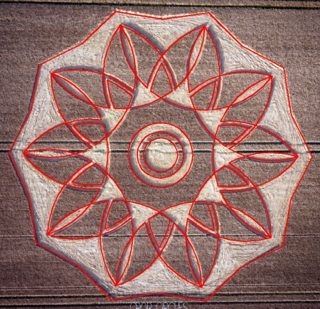
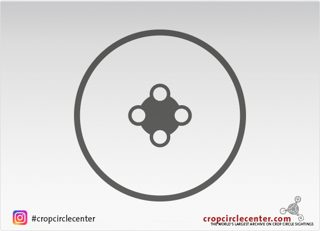
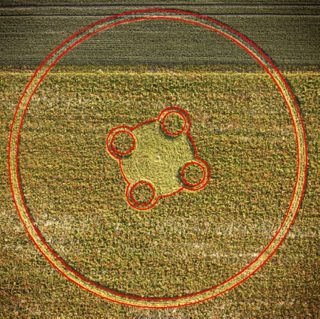
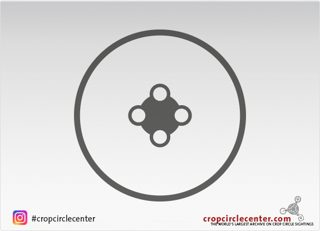
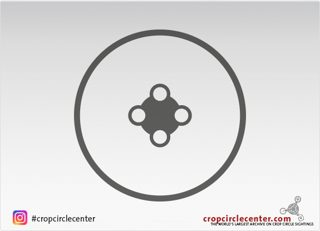
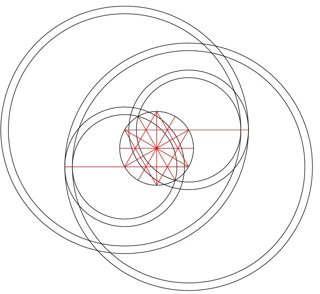
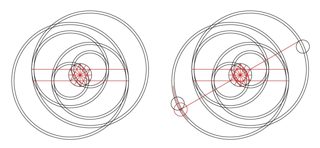
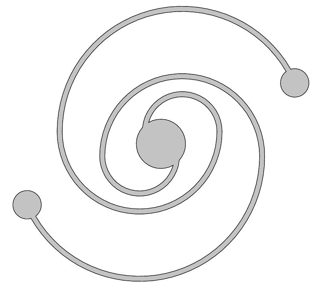
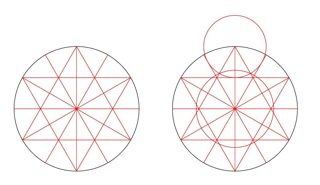
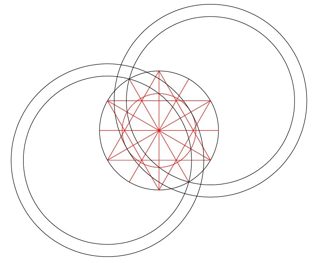
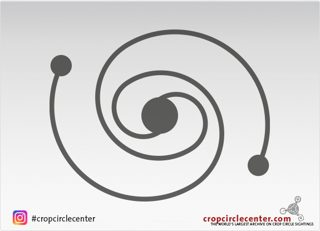
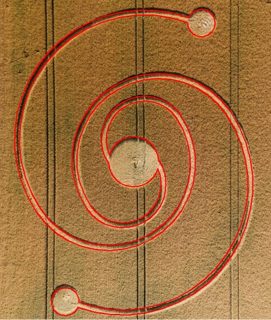
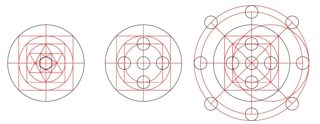
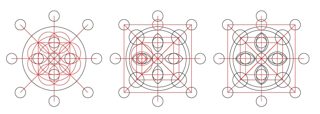
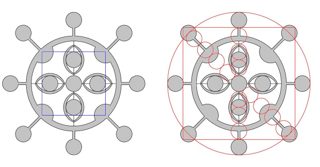
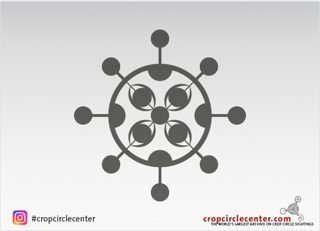
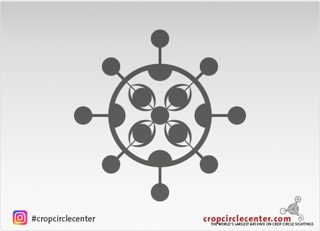
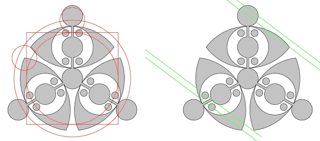
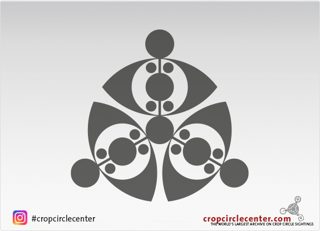
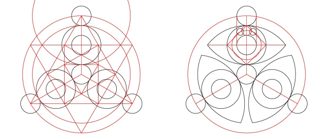
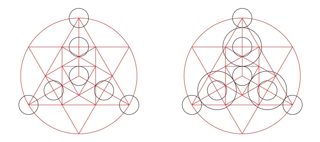
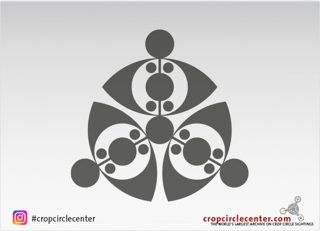
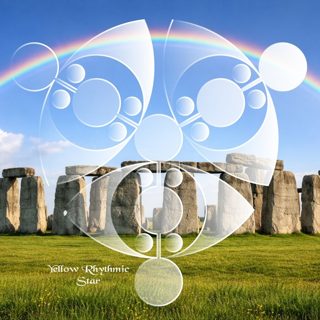
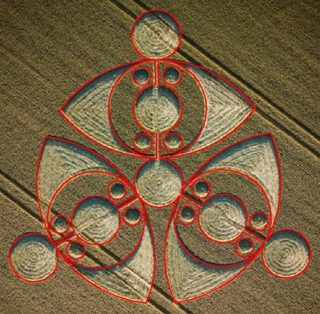

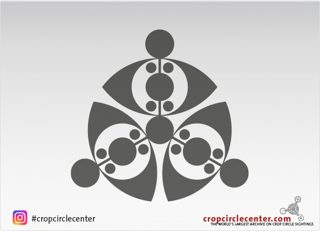
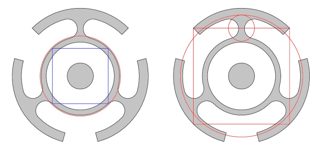
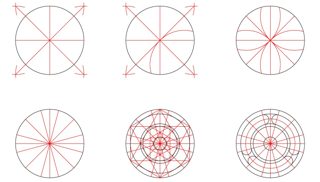
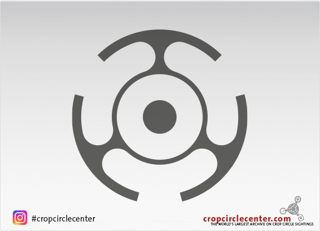
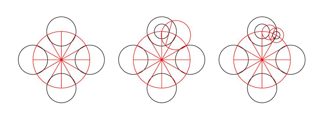
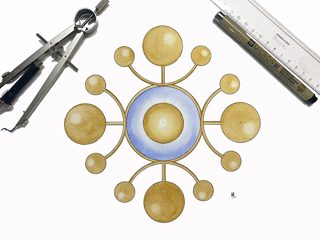
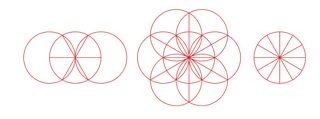
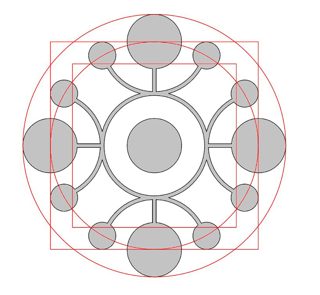
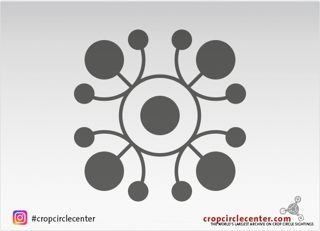

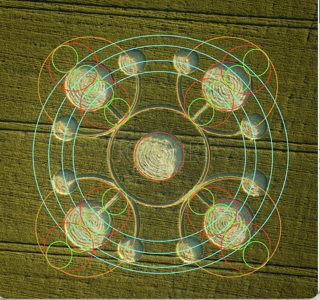


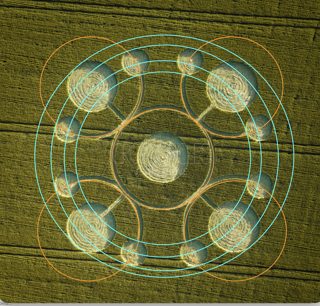

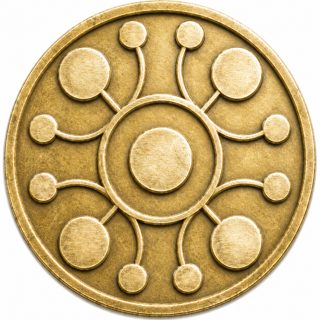
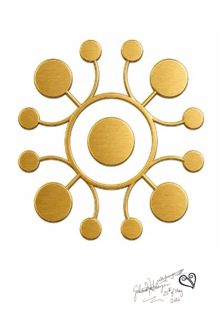

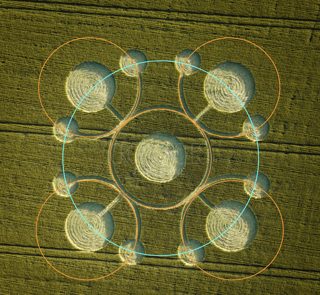
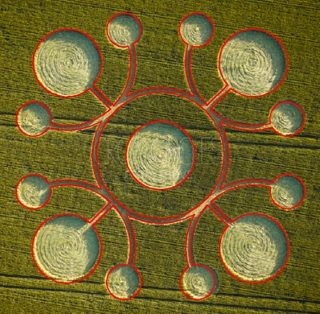
These are similarities between drawings, not between crop formations. Three sites drew them, to three conventions: cropcirclecenter.com redraws every formation in one editor's house style at one size, and the other two publish scans and photographs of many hands. Two diagrams that hash together may be one design published twice, one editor's habit, or the same drawing reused — the archive cannot tell you which, and a family here is never evidence that two formations are related.
The biggest families are the simplest designs. Two circles, three circles in a triangle, a ring inside a ring: a plain design has few ways of being drawn and every editor draws it much the same, so it gathers a large family. Size here measures how ordinary a shape is, not how surprising the repeat is — a family of two rare designs is the more interesting find, and it sits at the bottom of the list.
The shape numbers are experimental. M3-6b graded the element count right to within one on 97.5 % of a hand-labelled sample and the rotational order right on 88.8 % against a gate of 90 %, which the extractor did not meet; the ring count agrees with a reader on 35.9 % and is not calibrated at all. Read any number here beside the picture, not instead of it.
What is counted here
| population | diagrams | what it is |
|---|---|---|
| in this section | 7,864 | every diagram file the archive stores that analysis geometry has measured, once per file |
| with shape measurements | 5,256 | cropcirclecenter.com only: element and ring counts, rotational and mirror symmetry, and a hash of the ink alone |
| hash only | 2,608 | the other two sites publish scans and photographs of many hands, so only a whole-picture hash is measured |
| flagged as a plain circle | 73 | kept and marked: a formation that really is one plain circle looks exactly like the tile a site draws when it has no design (M3-6 section 1.2) |
excluded: digest | 3 | one of the three shared files PLAN-M3.md Appendix C.2 names; shown on 1,879 record(s) |
excluded: no_ink | 5 | the same “no diagram” statement, re-encoded, found by its pixels; shown on 8 record(s) |
By site
| site | diagrams | shape measured | in a shape family |
|---|---|---|---|
| cropcirclecenter.com | 5,256 | 5,256 | 290 |
| cropcircleconnector.com | 1,676 | 0 | 0 |
| temporarytemples.co.uk | 932 | 0 | 0 |
What the shapes measure to
These three distributions are over the 5,256 diagrams with shape measurements. Each row opens the filtered grid that produced it.
Elements
Separate pieces of ink of at least 30 pixels; the count is right to within one on 97.5 % of a 161-diagram hand-labelled sample.
| elements | diagrams |
|---|---|
| 1 | 1,827 |
| 2 | 1,122 |
| 3 | 638 |
| 4 | 351 |
| 5 | 355 |
| 6 | 203 |
| 7–8 | 229 |
| 9–12 | 223 |
| 13–20 | 167 |
| 21 or more | 141 |
Rotational symmetry
The order is right on 88.8 % of a 197-diagram hand-labelled sample, against a gate of 90 %. Continuous and “none found” are opposite statements, not counts.
| order | diagrams |
|---|---|
| continuous (concentric circles) | 534 |
| none found | 3,013 |
| 2-fold | 693 |
| 3-fold | 309 |
| 4-fold | 287 |
| 5-fold | 76 |
| 6-fold | 193 |
| 7-fold or more | 151 |
How a family is made
A family is a group of diagrams whose hashes lie within 4 bits of one another. 90 families cover 290 of the 5,256 shape-measured diagrams; the largest holds 37. Read them, largest first.
| hash | what it hashes | sites | used for |
|---|---|---|---|
| shape hash | a hash of the ink alone, cropped to its own bounds: a fingerprint of the design, matched in every orientation | every site | families and neighbours |
| picture hash | a hash of the whole picture, background included: two matches can be the same canvas rather than the same design | a diagram with too little ink to hash by its shape | neighbours only — see the note below |
Families are built on the shape hash alone, where a known repeat sits 0 to 2 bits away, against a median of 30 for a random pair; a turned copy of a design counts as the design. The whole-picture hash the other two sites carry is mostly a hash of the background: grouping on it puts 101 unrelated files into one group whose only shared feature is the 575×415 canvas cropcirclecenter draws on, so no family is published from it. Nearest neighbours are offered for every diagram, never across the two hashes.